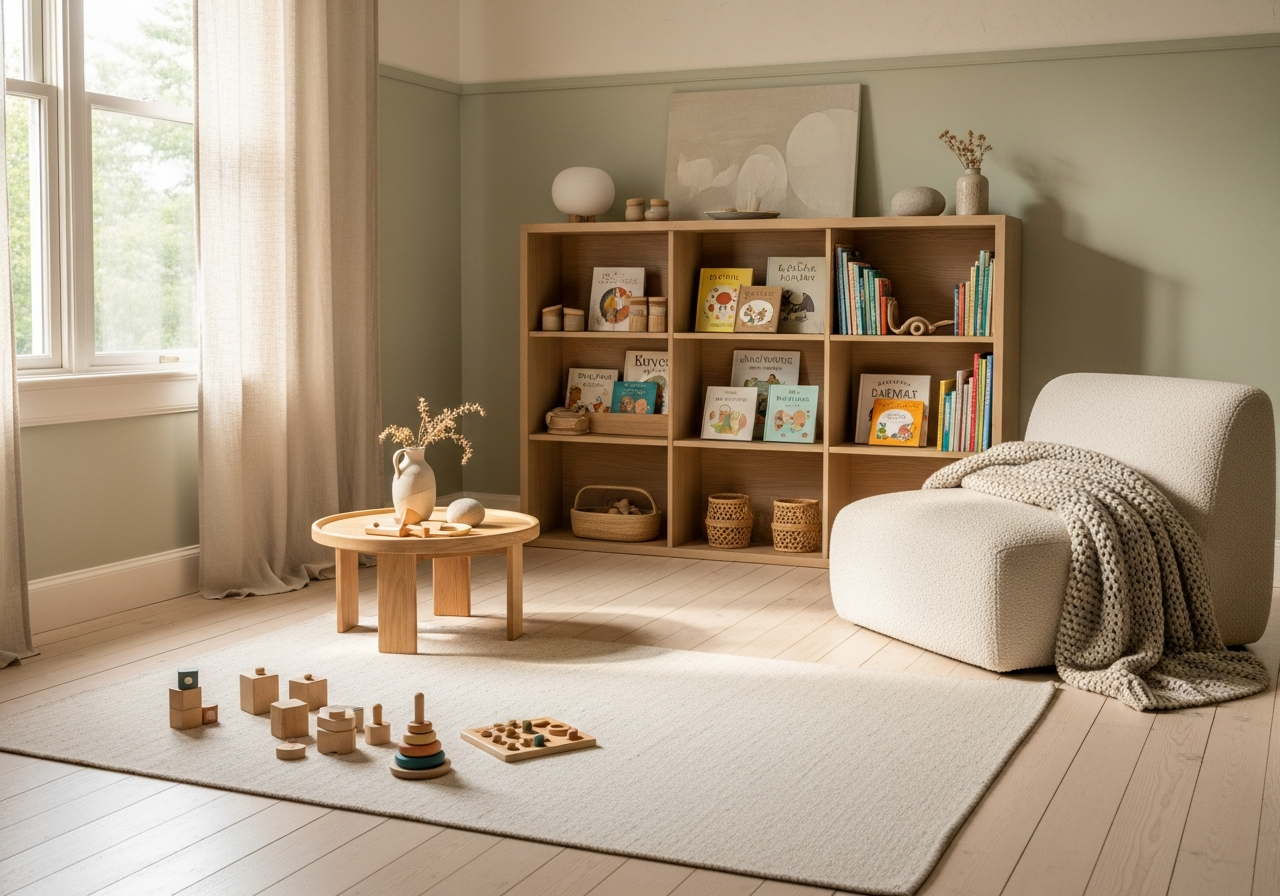

Play-based, assent-driven ABA therapy New Jersey

That’s why every program at Centerbrite is built around your child’s willingness to participate, not their compliance. When therapy feels safe and genuinely led by them, the skills they build are real, and they last.

Wooden learning materials and open notebook
Stacked wooden therapy blocks in warm light
What Sets Us Apart

Consistent. Accountable.
Built for your family.

  • Programming matched to your child’s needs.

    We offer Early Intensive Behavioral Intervention for children who need intensive, foundational support, and Comprehensive or Focused ABA for those working on specific skills or broader goals.

  • Home and community — built into every plan.

    Skills are taught where they need to be used. Sessions take place in your home and community settings so that generalization is built into the plan from day one.

  • Family guidance in every plan.

    Specific goals are identified to address the priorities you have in everyday family activities. These sessions with your BCBA target how ABA translates out of sessions and into your daily routines.

  • Decisions driven by real data.

    Programming decisions are driven by direct observation data and reviewed regularly. This data-driven approach means problems are caught early, plans stay current, and your child makes faster, more durable progress.

  • A clear finish line from day one.

    Written discharge criteria are established at intake and shared with your family before services begin.


Assent-driven ABA therapy

Therapy your child says yes to.

Trust also compounds. A child who has learned that “no” works is a child who can push through when something is genuinely hard.

No aversives. No withheld reinforcement.Every goal is a skill your child will use in real life.

What it means

Most ABA programs are built around compliance. Assent-driven ABA treats your child’s willingness to participate as a clinical requirement, not a barrier to work around.

What it looks like

When a child turns away from a task, puts down materials, or shows discomfort, the therapist stops. They return to something the child is motivated by and rebuild connection before introducing another demand.

Why it produces better outcomes

A child who complies under pressure learns the skill in one context: with that person, in that setting. When anything changes, the skill often doesn’t travel. A child who participates willingly learns in a context that feels safe. Those skills generalize because nothing about the learning was aversive.

Play-based ABA therapy in New Jersey

For all ages and stages

Naturalistic, child-led teaching procedures work because the learning happens inside real life, not alongside it.

A younger child learning through play-based ABA therapy

For younger children

Play-led ABA at age four looks like building a tower and labeling colors. Goals are woven into activities the child is already motivated by, not delivered at a desk.

An older child practicing meaningful skills with a therapist

For older children

At age twelve, it looks like practicing how to enter a conversation, manage a frustrating moment, or work through a disagreement without shutting down. The format changes. The principle stays the same.

ABA therapy discharge criteria

A finish line set before the first session begins.

What discharge criteria are

Written criteria that define what skills generalization, skill acquisition, and independence look like for your child: specific enough that both your family and the clinical team can track movement toward them.

Why we set them at intake

A program without a stated endpoint can run indefinitely without anyone questioning whether it should. Written discharge criteria keep goals honest and the team accountable to something measurable, not just to keeping sessions scheduled.

What the transition looks like

When your child approaches the thresholds, the team plans the transition with your family: reducing therapy sessions gradually, confirming skills are holding across settings, and ending cleanly rather than abruptly.

The goal of ABA therapy is for your child to need less of it.
A Centerbrite clinician supporting a child through play-based ABA therapy
Your New Jersey BCBA and RBT therapy team

Meet your child’s therapy team

Your BCBA

Your child’s individualized program is designed and supervised by a Board Certified Behavior Analyst. Centerbrite keeps caseloads small. Your BCBA knows your child’s program in detail and is available when something comes up between scheduled reviews.

Your RBT

Direct 1:1 treatment is delivered by a Registered Behavior Technician working under your BCBA’s supervision. We work to assign the same RBT to your child’s therapy sessions over time. The trust a child builds with the person working directly with them is part of how the work gets done.

How Sessions Work

Play-led, purposeful,
and paced by your child.

01
Warm-up & check-in

The therapist starts with whatever your child is motivated by that day — a preferred toy, a game, a sensory activity. No agenda until connection is established.

02
Naturalistic skill practice

Goals are woven into play and daily routines, not delivered at a desk. Skills feel like part of the activity, not a task to get through.

03
Data collection

Therapists record objective data during every session on the goals in your child's program. You can review this in plain language at any time.

04
Wrap-up & caregiver handoff

Each session ends with a brief summary shared with whoever is present — what was practiced, what to reinforce at home, and anything worth noting.

Centerbrite therapy session
2–3 hrs
typical session length
ABA therapy FAQs for NJ families

What families ask us most.

Ready to take the first step?

We'll be in touch within one business day.